

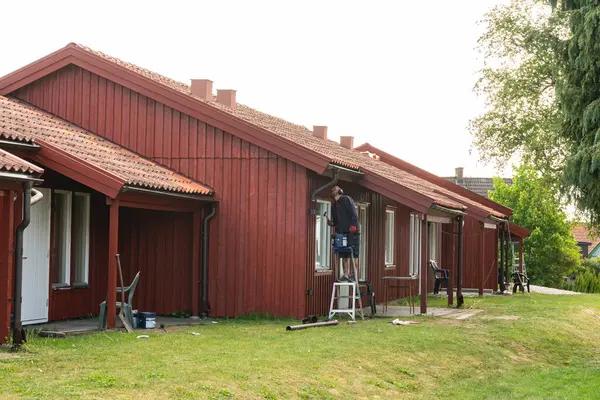
Regular maintenance plays a crucial role in extending the life of a house repaint by preserving the paint’s appearance and structural integrity. When a house is freshly painted, it is protected against environmental elements such as sunlight, rain, wind, and temperature fluctuations. Over time, these factors can cause paint to fade, crack, peel, or blister if not properly cared for. Routine upkeep helps prevent such deterioration by addressing minor issues before they escalate into major problems that require costly repairs or complete repainting.
One of the key aspects of maintenance is keeping the painted surfaces clean. Dirt, dust, mold, and mildew can accumulate on exterior walls and degrade the paint’s finish. Regular washing with a mild detergent and water removes these contaminants, reducing the risk of discoloration and surface damage. Cleaning also allows homeowners to inspect the paint find for more any signs of wear or damage, enabling timely interventions. For instance, if small cracks or chips are detected early, they can be touched up with paint to prevent moisture from seeping underneath and causing further damage.
Another important factor in preserving a repaint is managing moisture around the house. Water is one of the primary enemies of paint, as it can lead to blistering, peeling, and wood rot beneath the surface. Ensuring proper drainage by keeping gutters clean and directing water away from the foundation helps protect painted surfaces. Additionally, repairing leaks in roofs, windows, or siding promptly prevents water infiltration that can undermine the paint’s adhesion. Moisture control not only extends the repaint’s longevity but also contributes to the overall health of the building structure.
UV radiation from sunlight can cause paint to fade and lose its protective qualities over time. While modern paints often contain UV inhibitors, no paint is completely immune to sun damage. Applying a fresh coat of paint periodically, based on the paint manufacturer’s recommendations, helps restore the protective layer. Between repainting cycles, applying sealants or clear protective coatings can also enhance durability. These treatments add an extra barrier against abrasion, moisture, and UV rays, effectively prolonging the paint’s lifespan.
Regular inspections are essential for identifying areas that require attention. Small repairs, such as scraping off loose paint, sanding rough patches, and repainting affected spots, prevent deterioration from spreading. Timely maintenance reduces the need for extensive repainting projects, saving time and money in the long run. In summary, consistent cleaning, moisture management, protection from sun damage, and prompt repairs work together to maximize the durability and aesthetic appeal of a house repaint, ensuring it remains effective and attractive for years.