

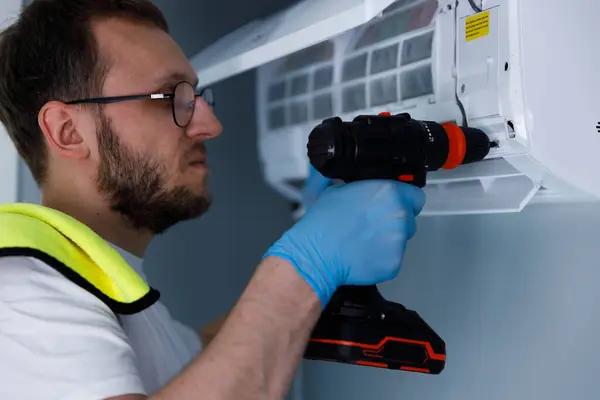
Heating and air conditioning systems are among the largest energy consumers in most homes, making it essential to adopt strategies that save energy and reduce costs. One of the simplest ways to improve efficiency is by regularly maintaining your HVAC system. This includes changing or cleaning filters every one to three months, as clogged filters force the system to work harder, increasing energy consumption. Scheduling annual professional inspections ensures that components like coils, ducts, and refrigerant levels are functioning optimally. Proper maintenance not only extends equipment life but also prevents unexpected breakdowns that can lead to costly repairs.
Another effective method involves optimizing thermostat settings. Installing a programmable or smart thermostat allows homeowners to adjust temperatures automatically based on daily routines, reducing unnecessary heating or cooling when no one is home. For example, lowering the temperature during winter nights or raising it during summer days when the house is empty can significantly cut utility bills without sacrificing comfort. Additionally, setting your thermostat a few degrees lower in winter and higher in summer helps maintain balance between comfort and savings.
Sealing leaks around doors, windows, and ductwork is crucial for preventing conditioned Essential Heating and Air from entering your living spaces. Even small gaps can cause substantial heat loss or gain over time, forcing your HVAC system to compensate by consuming more energy. Weatherstripping doors and windows along with sealing ducts using mastic sealant or metal tape improves overall efficiency by maintaining consistent indoor temperatures.
Upgrading insulation in walls, attics, and floors complements these efforts by reducing heat transfer through building envelopes. Well-insulated homes retain warmth during cold seasons while keeping interiors cooler during hot weather. This reduces reliance on heating and cooling systems throughout the year.
Choosing energy-efficient heating and cooling units also plays an important role in cost reduction over time. Modern systems with high Seasonal Energy Efficiency Ratio (SEER) ratings use advanced technology designed for maximum output with minimal power usage compared to older models.
Lastly, utilizing ceiling fans appropriately enhances airflow distribution within rooms without heavily impacting electricity usage; this allows you to set thermostats at more economical levels while maintaining comfort.
By combining regular maintenance with smart thermostat use, sealing leaks effectively, improving insulation quality, investing in efficient equipment upgrades, and leveraging fans wisely you can achieve meaningful reductions in both energy consumption and utility expenses throughout the year.