

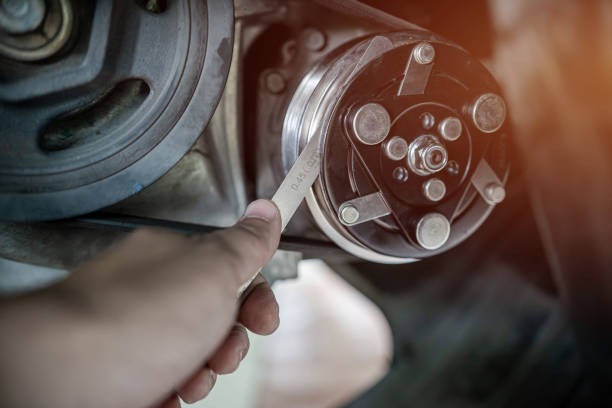
The air conditioning (AC) compressor is a crucial component in any AC system, acting as the heart that pumps refrigerant through the unit. When it malfunctions, it can lead to inadequate cooling and increased energy consumption. Understanding how to troubleshoot and repair an AC compressor can save time and money while ensuring optimal performance.
First, it’s essential to identify common signs of a failing compressor. These include strange noises such as clattering or hissing from the unit, warm air blowing from vents despite setting the thermostat to cool, circuit breaker trips when the AC is turned on, or noticeable leaks around the outdoor unit. Recognizing these symptoms early can prevent further damage.
Before diving into repairs, ensure safety by turning off power to your AC system at the breaker box. This precaution prevents electrical shocks during inspection and repair processes. Once safe, begin with a visual inspection of the compressor and surrounding components for any visible damage or wear.
One common issue is low refrigerant levels due to leaks in coils or other parts of the system. If you suspect this problem, it’s advisable to consult a professional technician since handling refrigerants requires specialized tools and knowledge due to environmental regulations.
Another frequent problem involves visit our website electrical issues such as faulty wiring or capacitors—components responsible for starting up the motor within your compressor efficiently. Use a multimeter tool for testing continuity in wires leading into your condenser unit; any inconsistencies might indicate damaged wiring needing replacement.
If all seems well electrically but problems persist mechanically—such as grinding sounds—it could suggest internal mechanical failure inside your compressor itself like worn-out bearings which would necessitate replacing either part entirely depending upon severity level found during diagnosis phase conducted earlier mentioned steps above!