

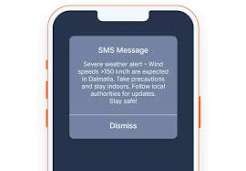
In the digital age, where online accounts are gateways to personal information and vital services, securing these accounts has become paramount. One of the most prevalent methods employed for this purpose is SMS verification. This process involves sending a unique code via text message to a user’s registered mobile number, which must then be entered to verify identity or authorize an action. Despite its widespread use, SMS verification’s role in modern account security is both celebrated and scrutinized.
SMS verification serves as an additional layer of security beyond traditional password protection. It falls under the umbrella of two-factor authentication (2FA), which requires users to provide two forms of identification before Travel eSIM accessing their accounts. The primary advantage of SMS-based 2FA lies in its simplicity and accessibility; almost everyone with a mobile phone can receive text messages without needing sophisticated technology or internet access.
However, while convenient, SMS verification is not without vulnerabilities. One notable risk is SIM swapping—a form of fraud where attackers convince mobile carriers to transfer a victim’s phone number to a new SIM card under their control. Once they have access to the victim’s phone number, they can intercept any SMS codes sent for authentication purposes. Additionally, there are concerns about potential interception through malware or weaknesses in cellular networks that could expose sensitive information.
Despite these risks, many organizations continue using SMS verification due to its ease of integration and user familiarity. For businesses aiming at broad demographics with varying tech-savviness levels, it remains one of the more practical options available.
To bolster security further when using SMS verification, several best practices should be observed by both service providers and users alike. Service providers should implement measures such as rate limiting—restricting how often codes can be requested—to prevent brute force attacks or abuse by malicious actors attempting multiple verifications rapidly. Moreover, educating users on recognizing phishing attempts that seek personal data under false pretenses plays an essential role in maintaining robust account security.
On the user side, ensuring that their mobile carrier accounts are protected with strong passwords and PINs can mitigate some risks associated with SIM swapping attacks. Users should also remain vigilant about any unusual activity on their devices or unexplained changes in network behavior that might indicate unauthorized access attempts.
In conclusion, while not foolproof against all threats inherent in today’s cyber landscape, SMS verifications continue holding significant relevance within modern account security strategies due largely to their convenience factor coupled with widespread adoption across various platforms globally—even amidst evolving technological challenges demanding ever-more innovative solutions for safeguarding digital identities effectively over time.