

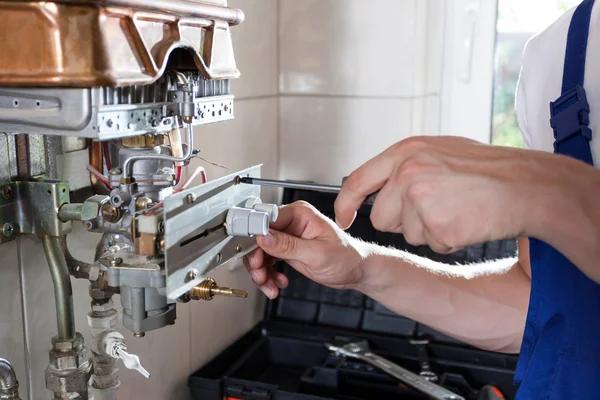
Dealing with a plumbing emergency can be a daunting task, especially when water is gushing uncontrollably or a pipe has burst unexpectedly. However, knowing the right steps to take can help mitigate damage until professional help arrives. Here are some smart steps to stabilize a plumbing emergency without causing more damage.
Firstly, it’s crucial to remain calm and composed during any plumbing crisis. Panic often leads to hasty decisions that could exacerbate the problem. Take a deep breath and assess the situation carefully. Identifying the source of the issue is paramount; whether it’s a leaking pipe, an overflowing toilet, or a malfunctioning water heater, understanding what you’re dealing with will guide your next actions.
Once you’ve identified the problem area, immediately turn off the main water supply to prevent further flooding or leaks. Most homes have a main shut-off valve located near where the water line enters your property—typically in basements or utility areas. Familiarize yourself with its location beforehand so you can act swiftly in emergencies.
Next, if applicable, switch off any electrical appliances around wet areas to avoid potential electric shocks or short circuits. Water and electricity are dangerous combinations; hence prioritizing safety is essential before proceeding with any other measures.
If there visit here is significant standing water due to flooding from broken pipes or severe leaks, use towels or mops for initial cleanup while waiting for professional assistance. This action not only helps minimize immediate water damage but also reduces slip hazards within your home.
For smaller leaks under sinks or from exposed pipes that are accessible without specialized tools, using plumber’s tape as an interim fix might help slow down leakage temporarily until proper repairs can be made by professionals. Similarly, buckets placed strategically beneath dripping points can contain excess water effectively.
In cases involving clogged drains causing backups in sinks and toilets—which often result from blockages—avoid using chemical drain cleaners as they may corrode pipes over time leading to further complications later on; instead opt for plungers which offer mechanical solutions without damaging piping systems unnecessarily.
Communication plays an integral role during such crises too: contact experienced plumbers promptly once immediate preventive measures have been undertaken at home base level alone won’t suffice long term resolution purposes! Ensure all relevant information about observed issues gets relayed accurately enabling them better prepare necessary equipment upon arrival thereby expediting repair processes efficiently overall!
By following these smart steps calmly yet decisively amidst chaos surrounding unexpected plumbing emergencies you’ll manage stabilize situations effectively minimizing additional damages incurred meanwhile safeguarding household members’ welfare throughout ordeal faced together successfully!