

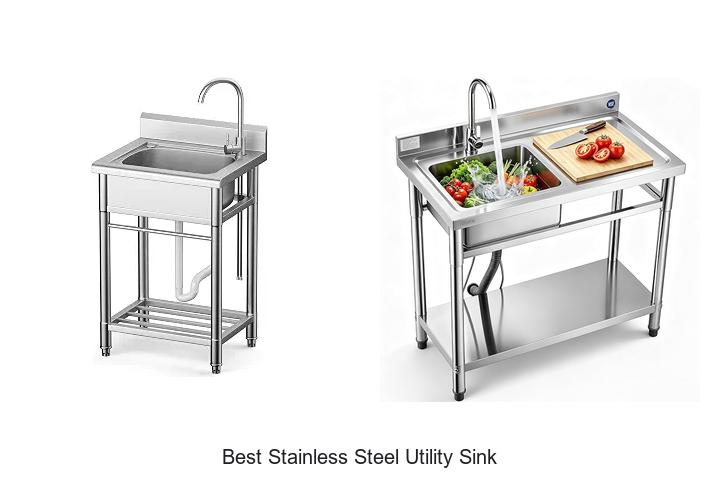
Maintaining a stainless utility sink is essential for preserving its appearance and functionality over time. Stainless steel is known for its durability and resistance to corrosion, but regular care is necessary to prevent damage from daily use. To keep your utility sink in optimal condition, begin by cleaning it frequently with mild soap and warm water. This helps remove dirt, grime, and residues that accumulate during tasks such as washing tools or rinsing substances. Avoid abrasive cleaners or steel wool, as these can scratch the surface and compromise the protective finish of the stainless steel.
After washing, it is important to rinse the sink thoroughly to remove any soap remnants, which can leave streaks or water spots if left behind. Wiping the sink dry with a soft cloth after rinsing prevents water marks and mineral deposits, especially in areas with hard water. Drying the sink regularly also helps maintain its shine and reduces the chance of rust forming in small crevices or around the edges.
For tougher stains or spots, such as rust marks or hard water deposits, specialized stainless steel cleaners can be used. These products are designed to clean without harming the metal’s surface. When applying a cleaner, always follow the manufacturer’s instructions carefully and test it on a small, inconspicuous area first. If you prefer a natural method, a paste made from baking soda and water can be gently rubbed onto stains with a soft sponge, then rinsed off thoroughly.
Avoid leaving harsh chemicals, bleach, or acidic substances like vinegar or lemon juice in contact with the sink for extended periods. These can damage the protective chromium oxide layer on stainless steel, leading to discoloration or corrosion. Similarly, do not leave wet sponges, steel wool pads, or other metal objects in the sink when not in use, as these can cause rust spots or scratches.
Regular inspection of the sink and its fixtures is also important. Check the drain and faucet areas for any signs of leaks or buildup that could cause water damage or blockages. Addressing minor issues promptly will help extend the sink’s lifespan and maintain its usability.
In summary, maintaining a Stainless utility sink involves regular cleaning with gentle products, promptly drying the surface, avoiding harsh chemicals, and inspecting fixtures for problems. Following these simple steps will ensure the sink remains both functional and visually appealing for years to come.